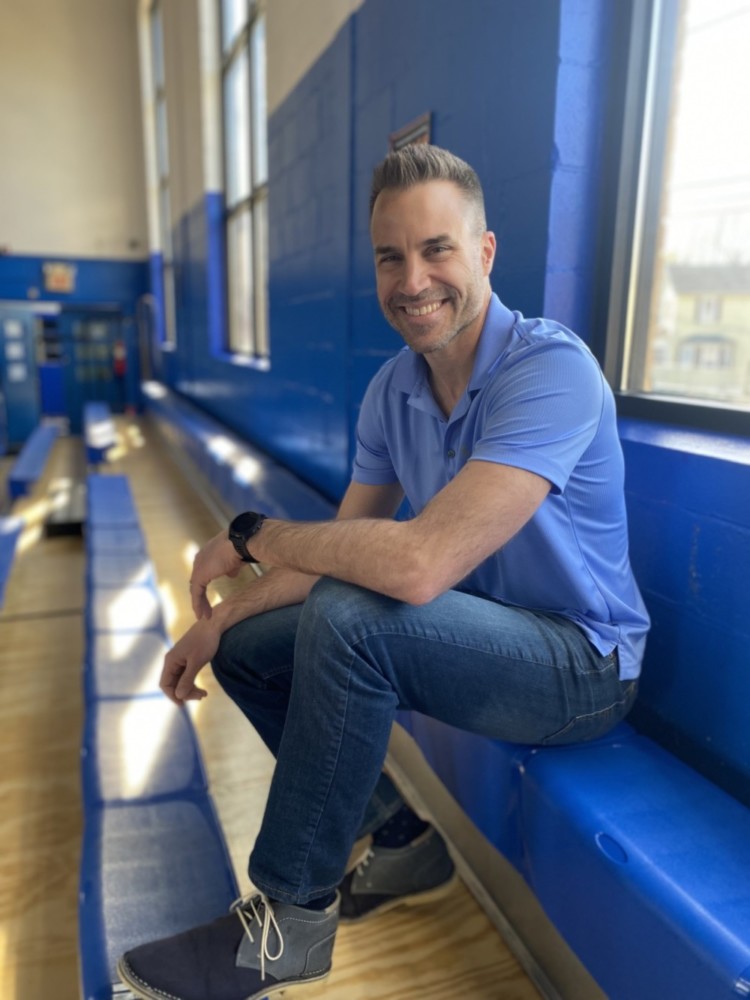
Douglas Eagles is the Chief Executive Officer of the Boys & Girls Clubs of Monmouth County (BGCM) and has led the organization since 2012. In addition to overseeing Clubhouses in Asbury Park, Red Bank, Neptune, and Long Branch, which serve over 1,800 youth in the county each year, he has developed and implemented a three-year strategic plan focused on producing life-changing outcomes for our community’s youth. Under his guidance, the Club has experienced sustained financial growth, strengthened board relations, expanded its footprint in the county, and enhanced donor engagement. More recently, Mr. Eagles has focused his efforts on positioning the organization as the premier youth development agency in the area by engaging in multiple local, state, and national initiatives. He serves on the national Trauma-Informed Task Force of the Boys & Girls Clubs of America (BGCA), the national board of BGCA’s Professional Association, where he is chair of the board governance committee, the community advisory boards for Jersey Shore University Medical Center and Monmouth Medical Center, the statewide board of the Boys & Girls Clubs in New Jersey, the membership and governance compliance committee for BGCA, and Asbury Park Healing Together. In addition, Mr. Eagles is leading the way on developing and implementing trauma-informed care programming for both the members and staff of BGCM.
Mr. Eagles has 20 years of experience working within the youth nonprofit sector and has a longstanding commitment to the children of Monmouth County. Prior to joining the BGCM family, he served as Director of Leadership and Development at UrbanPromise International in Camden, NJ. There he was responsible for training emerging leaders from around the world in nonprofit management and at-risk youth development. He began his career with Aslan Youth Ministries, a nonprofit organization serving at-risk children in Red Bank, Asbury Park, and Long Branch. Mr. Eagles holds a Bachelor of Arts in Sociology with a minor in Philosophy from Eastern University in Pennsylvania and a Master of Arts in International Relations with a concentration on Conflict Resolution from the New School in New York City.
I studied sociology and conflict resolution in undergraduate and then graduate school, but I didn’t set out to lead a Boys & Girls Club. My early career was shaped more by the people I was around than any formal plan. I found my way into youth development work early on, running programs and personally investing in the lives of the kids that came across my path. I stayed because it felt deeply meaningful. Over time, I took on more responsibility, eventually stepping into the CEO role in 2012. Since then, the work has grown from running a single Club to leading a multi-site organization, but the core of it has stayed the same.
My work today sits at the intersection of strategy, people, and community. I invest a lot of my time into building an organization that can grow without losing the heart of the mission, whether that’s developing leaders on our team, strengthening our financial model, or expanding into new communities. I’m especially focused on creating environments where young people feel safe, known, and challenged to grow. I also spend a good amount of time working with our board and external partners to align resources with what our kids actually need.
My favorite part of the job are those moments where you can see the long arc of the work: a kid who was once struggling starts to find their footing, a staff member grows into a leader, a family begins to trust that we’re a steady presence in their life. That’s when I’m most encouraged, even when the day-to-day feels heavy.
Running, backpacking, and photography
I’m inspired by the idea that institutions can be built with intention. That you can create something that lasts, that serves people well, and that stays grounded in its purpose even as it grows. There’s something meaningful about being part of that kind of work, especially in a community you’re connected to.
More personally, I’m inspired by my family. Being a father has a way of sharpening my perspective. It brings the work into focus in a different way.